Sponsored article
Copyright Law and Artificial Intelligence: What Are the Prospects?
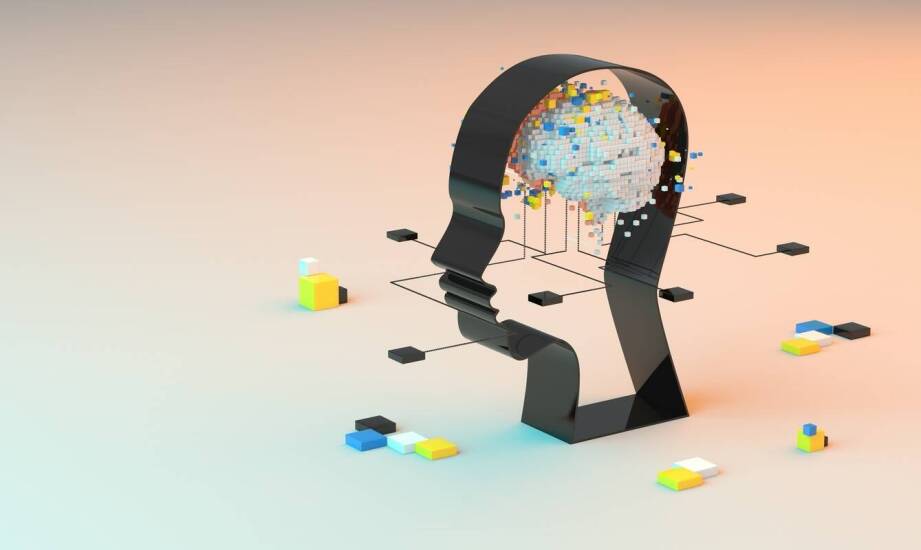
As artificial intelligence develops, copyright law becomes increasingly significant. New technologies impact traditional principles of rights protection, raising questions about the future of this field. Introducing the topic highlights challenges and opportunities for creators and users of these technologies, encouraging further reading.
Read more: What are the benefits of using weatherproof entrance mats in hotels?
How do current legal regulations handle AI?
Current regulations concerning copyright protection reveal gaps and ambiguities that become problematic in the context of artificial intelligence. Issues of authorship of works created by algorithms and responsibility for violations require modernization. The traditional approach to copyright law may be insufficient to meet the challenges related to AI. There is a need to develop new legal solutions that consider the specific nature of the technology and ensure protection for both creators and users. Collaboration among experts from various fields can contribute to creating an effective regulatory system.
Read more: Why are brush entrance mats essential in hotels and restaurants?
What are the approaches to copyright protection in the context of AI?
Various approaches to copyright protection in the context of AI involve recognizing the rights of creators and the lack of protection for works generated by machines. Examples from different countries show that some grant authorship rights to programmers or AI users, while others treat these works as unprotected. Appropriate regulations can stimulate the development of new data-based services and increase competitiveness by creating value from innovations based on artificial intelligence.
Read more: Custom printed ashtrays—the ideal promotional gadget for your company
The role of artificial intelligence in the creative process
As AI technology develops, supporting creative processes through it becomes crucial. Examples of collaboration using AI include the creation of music, art, or literature, where machines generate ideas or supplement works. This raises questions about authorship—who is the creator, the human or the machine? Such collaboration affects legal issues related to copyright and responsibility for the use of works created with the help of AI. Law firms monitor these changes and engage in regulations concerning the Digital Services Act, supporting innovation development.
Prospects of copyright law in the age of artificial intelligence
-
Understanding the impact of artificial intelligence on copyright law is crucial for creators and users.
-
Analysis of current regulations reveals gaps concerning the authorship of works created by algorithms.
-
Different approaches to copyright protection in the context of AI can stimulate innovation.
-
Collaboration between AI and humans in the creative process raises questions about authorship and responsibility.
-
The future of legal regulations requires adaptation to the changing technological landscape.
You might be interested

Pork jowl as a key ingredient in Polish cuisine

How can fit-out design increase property value?

What are the advantages of transport from Europe to CIS countries?
