Sponsored article
When Does a Claw Machine Become an Attraction, and When Does It Turn into an Operational Risk?
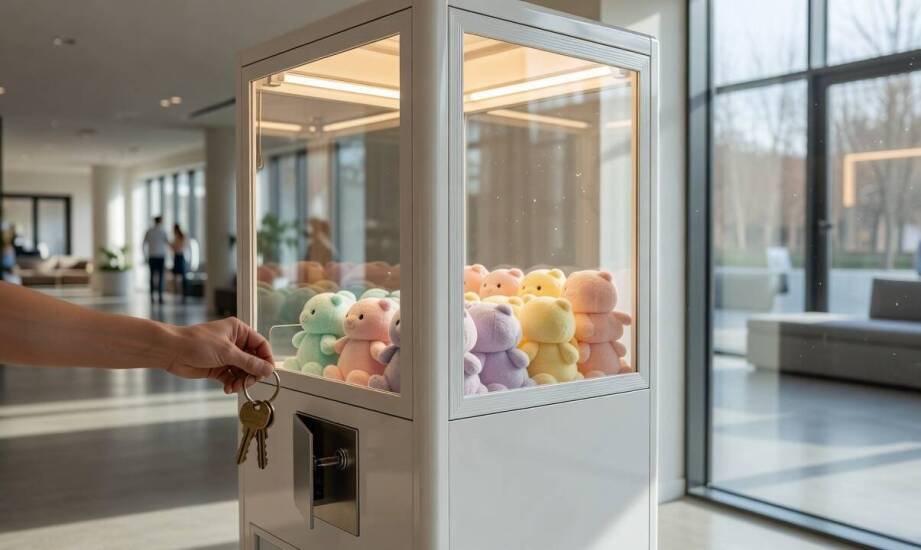
Operators of entertainment centres and recreational venues often face a difficult decision when selecting machines that complement their attractions. A seemingly simple game can attract guests thanks to its low barrier to entry, yet it may also become a source of operational and regulatory challenges. This can occur when authorities question whether the machine truly operates as a game of skill.
Implementing this type of attraction requires a thorough understanding of applicable regulations as well as proper operational planning. The decision to add a claw machine to an entertainment venue should be based on a careful assessment of both its revenue potential and the requirements necessary to maintain compliance with relevant laws and regulations. Ignoring legal considerations at the planning stage may result in operational interruptions, compliance issues, or administrative penalties.
How the Nature of Gameplay Determines Machine Classification
Verifying the legal status of a machine is a fundamental responsibility for every operator. In many jurisdictions, a key factor is the extent to which the outcome depends on chance rather than the player's actual skill and coordination.
If a prize outcome is determined primarily by random factors instead of player ability, the machine may become subject to different regulatory requirements. The status of the equipment is not determined solely by manufacturer declarations or settings selected by the venue operator.
The actual gameplay experience and the player's real influence over the outcome are often the most important factors considered during evaluations.
Whenever uncertainty exists regarding the legal classification of a machine, operators should obtain guidance from the relevant authorities or legal experts before deployment. Official interpretations or rulings can help reduce compliance risks.
Before a machine is installed on the gaming floor, several organisational issues should also be addressed. Operators should establish clear procedures for prize replenishment, define customer complaint processes, and communicate transparent rules of participation.
All repair and maintenance work should be performed by qualified technical personnel, while access to control systems should remain strictly managed and documented.
It is also important to remember that a machine initially functioning as intended can change over time due to wear and tear. Loose cables, worn components, or deteriorated mechanisms may affect precision and consistency.
For that reason, strict adherence to maintenance schedules is not only an operational necessity but also an important element of risk management. Staff should additionally monitor the attraction area and prevent unauthorised interference with the machine.
Operating Costs, Placement Optimisation, and Reward System Integration
Evaluating profitability involves comparing the investment cost with ongoing operating expenses. Business owners typically analyse the advantages of outright purchase versus long-term leasing or rental.
Initial expenditures include the machine itself, transportation, installation, and calibration. Ongoing costs generally include routine maintenance, replacement of worn parts, and continuous prize inventory replenishment.
Potential revenue losses caused by technical downtime should also be factored into financial planning. Reliable machine performance has a direct impact on overall venue profitability.
Prize management requires continuous assessment of customer preferences and market trends. Operators must carefully balance the value of prizes with wholesale purchasing costs.
Inventory storage, tracking, and distribution across multiple machines require staff resources and operational oversight. For this reason, many entertainment venues standardise prize assortments across their machine network to simplify inventory management and procurement.
The location of the machine can also significantly influence usage rates. Placing a machine near the venue entrance benefits from impulse-driven participation, while positioning it in a dedicated family entertainment area may encourage longer and more deliberate play sessions.
Locations near primary walkways or payment counters can also engage visitors who are already spending time in those areas.
Integration with Ticket Redemption Systems
Modern entertainment centres increasingly move away from dispensing physical prizes directly from machines and instead adopt ticket redemption systems. In this model, players earn tickets or digital points stored on a card, which can later be exchanged for rewards at a centralised redemption counter.
A common example is the integration of claw machines with broader ticket redemption software and management platforms. This approach centralises prize distribution and simplifies inventory control, player tracking, and operational reporting.
Magic Play develops B2B solutions for the amusement industry, including equipment that can operate within integrated redemption ecosystems.
Centralised systems often make it easier for operators to analyse performance statistics, supervise prize distribution, and manage stock levels more efficiently, helping reduce the workload associated with multiple independent redemption points.
Balancing Entertainment Value with Operational Security
Managing a fleet of skill-based amusement machines requires balancing guest engagement with operational and legal responsibility. Such investments provide the greatest value when operators maintain transparency regarding gameplay mechanics and ensure that machines function as intended.
A well-organised maintenance strategy and thoughtful placement within the venue help maximise the machine's potential.
However, if uncertainties exist regarding the legal status of a specific model or if the venue lacks sufficient resources to supervise prize redemption operations, it may be advisable to delay expansion plans until appropriate guidance and procedures have been established.
You might be interested

Pork jowl as a key ingredient in Polish cuisine

How can fit-out design increase property value?

Copyright Law and Artificial Intelligence: What Are the Prospects?
